E-commerce continues to emerge as one of the main drivers of global logistics growth. In 2025, logistics activity related to e-commerce exceeded 4.4 billion euros, with a 6% growth rate, confirming the rise of the digital channel and its impact on consumer behavior.
Although these figures pertain to the European market, they reflect a trend that also directly impacts countries such as Colombia, where an increasing number of companies are exploring e-commerce as a way to start selling internationally.
The steady increase in online shoppers and the evolution of logistics models have transformed the way companies operate. Today, delivery efficiency, cost transparency, and the ability to respond to international markets are key factors for competitiveness.
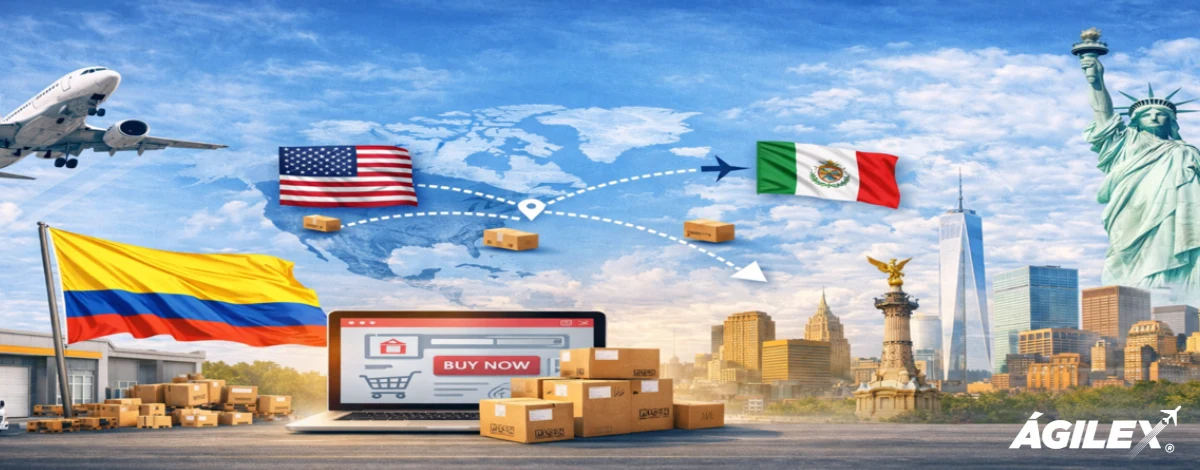
In this context, exporting through e-commerce stands out as one of the most significant opportunities for Colombian businesses, especially in categories such as fashion, beauty, and wellness, which are already in high demand in markets like the United States and Mexico.
However, international logistics remain one of the main challenges. Variable costs, customs procedures, and a lack of clarity regarding taxes can hinder the growth of many brands looking to sell abroad.
Given this situation, logistics solutions designed specifically to facilitate international expansion are gaining importance. Models that include all-inclusive rates—covering taxes—allow companies to have greater control over their shipments and offer a better experience to their customers abroad.
In this context, services such as Economy Ágilex aim to address this need by facilitating shipments from Colombia to strategic markets such as the United States and Mexico through simpler and more predictable processes, thereby reducing trade barriers and creating opportunities for more Colombian businesses to make the leap into global trade.